Yelp (also view our 35+ filtered reviews)
LONG ISLAND DECODING TUTORING

As Featured In:








Decoding Tutors We Work With Come to Your Long Island Home! | Best In-Person 1:1 Decoding Tutoring | Free Consultation and Meet & Greets With the Professionals We Work With
We provide in-home decoding tutoring across Long Island, with remote options available when appropriate.
Decoding tutoring helps children learn how letters and letter patterns connect to spoken sounds so they can read words more accurately and fluently. Structured decoding instruction supports foundational reading development and helps children build stronger literacy skills over time.
Many Long Island families begin support early rather than waiting for reading difficulties to become more significant. We work directly with families throughout Long Island, including communities such as Muttontown, Old Westbury, Laurel Hollow, Brookville, Roslyn Estates, and Sands Point.
Families outside Long Island can also explore our decoding tutoring services throughout the NYC metro area to learn how explicit, evidence-based instruction helps students become more accurate and confident readers.
WE TRAVEL TO THE FOLLOWING LONG ISLAND NEIGHBORHOODS:
The reading and writing tutors we work with travel throughout Nassau and Suffolk counties such as Baldwin, Bellmore, Bethpage, Brookville , Carle Place, Cedarhurst, East Meadow, East Williston, Elmont, Farmingdale , Floral Park, Franklin Square, Freeport, Garden City, Garden City Park, Glen Cove, Glen Head, Great Neck, Hempstead , Hewlett, Hicksville, Island Park , Inwood, Jericho, Lake Success, Lattingtown , Lawrence, Levittown, Long Beach, Lynbrook, Malverne, Manhasset, Manorhaven, Massapequa, Massapequa Park, Merrick, Mill River , Mineola, Muttontown, New Hyde Park, North Bellmore, North Hempstead , North Massapequa, North Merrick, Oceanside, Old Westbury, Oyster Bay, Plainview, Plandome, Port Washington, Rockville Centre, Roosevelt, Roslyn, Roslyn Heights , Sea Cliff, Seaford, Stewart Manor, Syosset, Uniondale, Valley Stream, Wantagh, West Hempstead, Westbury, Williston, Woodbury, and Woodmere. In Suffolk County, the towns include Amagansett, Babylon, Bayport, Blue Point, Bohemia, Brookhaven, Centereach, Deer Park, East Hampton, East Islip, Eastport, Farmingville, Greenport, Hauppauge, Huntington, Islip, Mattituck, Medford, Montauk, Nesconset, Northport, Oakdale, Patchogue, Port Jefferson, Port Jefferson Station, Riverhead, Sayville, Selden, Setauket, Shelter Island, Smithtown, South Setauket, Southampton, Southold, St. James, Westhampton Beach, West Islip, and West Sayville.
We also travel to Hamptons (summer speech language therapy)
Service Snapshot
Service: Decoding Tutoring
Location: Long Island
Delivery: In-home and remote
Student Type: Kindergarten through elementary school students
Focus Areas: Phonological awareness, letter-sound relationships, word recognition, reading fluency, foundational literacy
Session Structure: One-to-one individualized instruction
Goal: Stronger reading accuracy, confidence, and long-term literacy development
Literacy Specialists
We travel to you and we also offer remote services. Literacy specialists we work with work on decoding, encoding (spelling), reading comprehension, and writing skills. For families pursuing homeschooling for K–5 students, we offer personalized in-home or remote instruction tailored to each child’s learning style and needs.
Common Core English Language Arts (ELA) Standards & Worksheets
Common Core English Language Arts (ELA) Standards & Worksheets
What Is Decoding Tutoring?
Decoding tutoring teaches children how written language connects to spoken language.
Decoding is one of the foundational skills required for reading development. Children use decoding skills to identify unfamiliar words, recognize spelling patterns, and build reading fluency.
Research consistently shows that strong decoding skills support broader literacy development, including reading comprehension and written language growth.
For many students, structured decoding instruction provides the framework needed to build lasting reading confidence.
When Families Seek This Support
Many families seek decoding tutoring when reading progress begins to slow or diverge from expectations.
Parents often begin searching when:
- early signs of reading difficulty appear
- a child struggles to sound out unfamiliar words
- teachers raise concerns about reading progress
- reading becomes frustrating
- kindergarten or first-grade literacy expectations increase
- children are not progressing as expected
Other Long Island families seek support proactively.
Many Long Island families begin support early rather than waiting.
Some families pursue decoding tutoring to strengthen foundational reading skills before challenges emerge, while others seek enrichment for students who are ready for more advanced instruction.
Proactive support helps prevent gaps from developing.
How Decoding Tutoring Works
Structured decoding instruction is delivered through systematic and individualized literacy lessons.
Sessions may focus on:
- phonemic awareness
- letter-sound correspondence
- blending sounds
- segmenting words
- spelling patterns
- word recognition
- reading fluency
Because instruction is delivered in the home, tutors can coordinate closely with families and adapt lessons to each student’s learning profile.
We frequently work directly with families in Long Island homes to create consistency between tutoring sessions and daily reading practice.
Who Benefits From Decoding Tutoring?
Decoding tutoring supports a wide range of learners, from early readers to students seeking stronger literacy foundations.
Children may benefit when they:
- show early signs of difficulty with reading
- struggle to recognize letter-sound patterns
- need additional structured reading instruction
- are not progressing as expected
- are preparing for increasingly demanding academic expectations
Decoding tutoring can also support enrichment-focused learners.
Some students already read successfully but benefit from stronger fluency, vocabulary development, and more advanced literacy instruction.
In-Home Decoding Tutoring vs Learning Centers
In-home tutoring provides individualized instruction within the child’s everyday learning environment.
In-home tutoring allows families to:
- eliminate travel time
- observe instructional approaches
- maintain consistency between sessions
- support reading practice at home
Many families prefer instruction delivered directly in the home because it integrates naturally into daily routines.
Remote sessions may also be available when appropriate.
Why Long Island Families Choose Long Island Letters
Long Island families often seek specialized literacy support that combines structured instruction with individualized attention.
Families throughout Long Island frequently seek support to:
- maintain strong academic progress
- build foundational literacy skills
- prevent future reading gaps
- strengthen school readiness
- support long-term academic development
Our approach emphasizes proactive development, structured literacy instruction, and school-aligned reading growth.
We work with families across Long Island communities including Old Westbury, Brookville, Laurel Hollow, Muttontown, Roslyn Estates, and surrounding areas.
Training/Certifications


Training/Certifications






Decoding and encoding are essential components of early literacy development for children across the Long Island area. Decoding involves translating printed words into sounds to support reading, while encoding is the reverse—using individual sounds to build and write words. At Long Island Letters, families are matched with independent providers who support neurodivergent learners, including those with dyslexia, ADHD, autism, and other learning differences and learning disabilities, who often face challenges in mastering these foundational skills. Through multisensory, diagnostic-prescriptive instruction, the educational specialists we work with tailor their approach to support each child’s unique learning profile, building strong reading and writing habits.
In order to read and write, we must first become phonologically aware by acquiring the ability to understand that words are built from smaller sounds or phonemes. This phonological awareness allows us to segment words into smaller sounds and, conversely, to build entire words from smaller sounds. When we learn to read, we start by making associations between each letter and its corresponding sound. Learn what is phonology. Discover the importance of phonological processing in learning to read and write.
To master sound-symbol association, children must understand that there is a correspondence between letters and sounds. They must understand the visual to the auditory relationship between letters and sounds (decoding/reading) as well as the auditory to a visual relationship (encoding/writing) in order to read and write efficiently.
People with dyslexia may have difficulty decoding words, recognizing letter-sound relationships, and mastering fundamental reading skills. Read this article to learn more about dyslexia, recognize the signs, impact, support, and accommodations, how to identify the indicators, and get a diagnosis, post-diagnosis steps, approaches, assistance, how to boost self-worth, and many more!

Learn how early literacy benefits from both print-to-speech and speech-to-print instruction, creating connections in the brain that link new knowledge about the alphabet to what children already know and are continuously learning about words.
The Five Pillars of Reading stresses the importance of phonemic awareness and phonics in building the foundations of literacy in young learners. Learn what is structured literacy.
Check out these resources for teachers and caregivers- courtesy of Dr. Miles of Brooklyn College, CUNY. It includes Reading Ready (a word reading curriculum for educators and manual for parents/caregivers), activities for Phonemic Awareness (highly engaging activities to support phonemic awareness), High-Frequency Word Activities (featuring 400+ words), and Grapheme-Phoneme Mapping Exercises (phonics and spelling through phoneme-grapheme mapping).
Learn the scope and sequence at-a-glance: all concepts (K-2) and the 6 types of syllables found in English orthography, why it’s important to teach syllables, and the sequence in which students learn about spoken and written syllables.
Read about Literacy Milestones.

Phonemics Awareness
Phonemic awareness refers to the knowledge and understanding that words are built from and can be broken apart into smaller segments of a sound called phonemes. Phonemic awareness is one’s ability to hear, recognize, and manipulate sounds heard in words- think of it as the ears to brain connection.
Phonemic awareness can be taught even before a child learns to read or identify printed letters. When babies are born, they are processing phonemes when parents speak and sing to their bundle of joy. In the English language, phonemic awareness means being able to identify its approximately 44 phonemes. Additionally, teaching letter sounds with letter names is an effective way for students to grasp the concept of phonemes.
Phonics
Whereas phonemic awareness refers to one’s ability to recognize sounds or phonemes in words, phonics mastery means understanding that letters (graphemes or printed letters) of the alphabet represent sounds (phonemes)- think of it as the ears, eyes, and brain connection. A child who has mastered phonics can sound out new or unfamiliar words on their own. The child is “cracking the code” and is receiving feedback by listening to oneself sound out words.
Teaching phonics is all about establishing the relationship between sounds and printed letters or printed letter combinations. Starting with the printed letter-sound correspondence, a child then learns how to match sounds to letters and uses this relationship to understand printed words.

Importance of Symbol Imagery in Reading and Spelling
Sensory-cognitive skills such as phonemic awareness and symbol imagery are key in developing a child’s reading and spelling skills. Phonemic awareness refers to one’s ability to process sounds in a word, which helps a child read and spell by sounding out. However, the English language is not always phonetic, which is why many children have difficulties recognizing sight words and words that are not spelled according to their letter sounds. That is where symbol imagery comes in.
Symbol imagery involves both phonological and orthographic processing or the visual patterns of words. It refers to an individual’s ability to visualize letters and identify word patterns with their mind’s eye, allowing them to instantly recognize sight words because they have developed an extensive knowledge of them. This is crucial as reading fluency relies primarily on mastery of sight words and contextual information.
At Long Island Letters, the reading specialists we work with provide Orton-Gillingham and Wilson tutoring services to help your child master the underlying principles of phonological awareness and symbol imagery that they need to become skilled readers. Doorstep or at-home and online tutoring services are offered. Click here to get to know the literacy specialists we work with and find out more about reading fluency tutoring services.
Key Facts About Decoding Tutoring on Long Island
- Decoding is a foundational reading skill that supports word recognition and literacy development.
- Early literacy support can help prevent reading gaps from widening.
- Many families seek decoding tutoring during kindergarten and elementary school years.
- In-home tutoring allows instruction to occur within a familiar learning environment.
- Structured decoding instruction supports reading accuracy, fluency, and confidence.
Frequently Asked Questions
What is decoding in reading?
Decoding is the process of connecting letters and letter combinations to spoken sounds in order to read words.
When should a child begin decoding tutoring?
Many families begin when reading progress slows, teachers raise concerns, or children struggle to sound out unfamiliar words.
Is decoding tutoring only for struggling readers?
No. Some students receive decoding tutoring proactively or as enrichment to strengthen literacy foundations.
Do you provide tutoring in-home?
Yes. We provide in-home decoding tutoring across Long Island, with remote options available when appropriate.
What ages benefit from decoding tutoring?
Most students receiving decoding tutoring are in kindergarten through elementary school, although older students may also benefit from targeted literacy instruction.

MEET LONG ISLAND LETTERS LITERACY SPECIALISTS WE WORK WITH WHO TRAVEL TO YOUR HOME
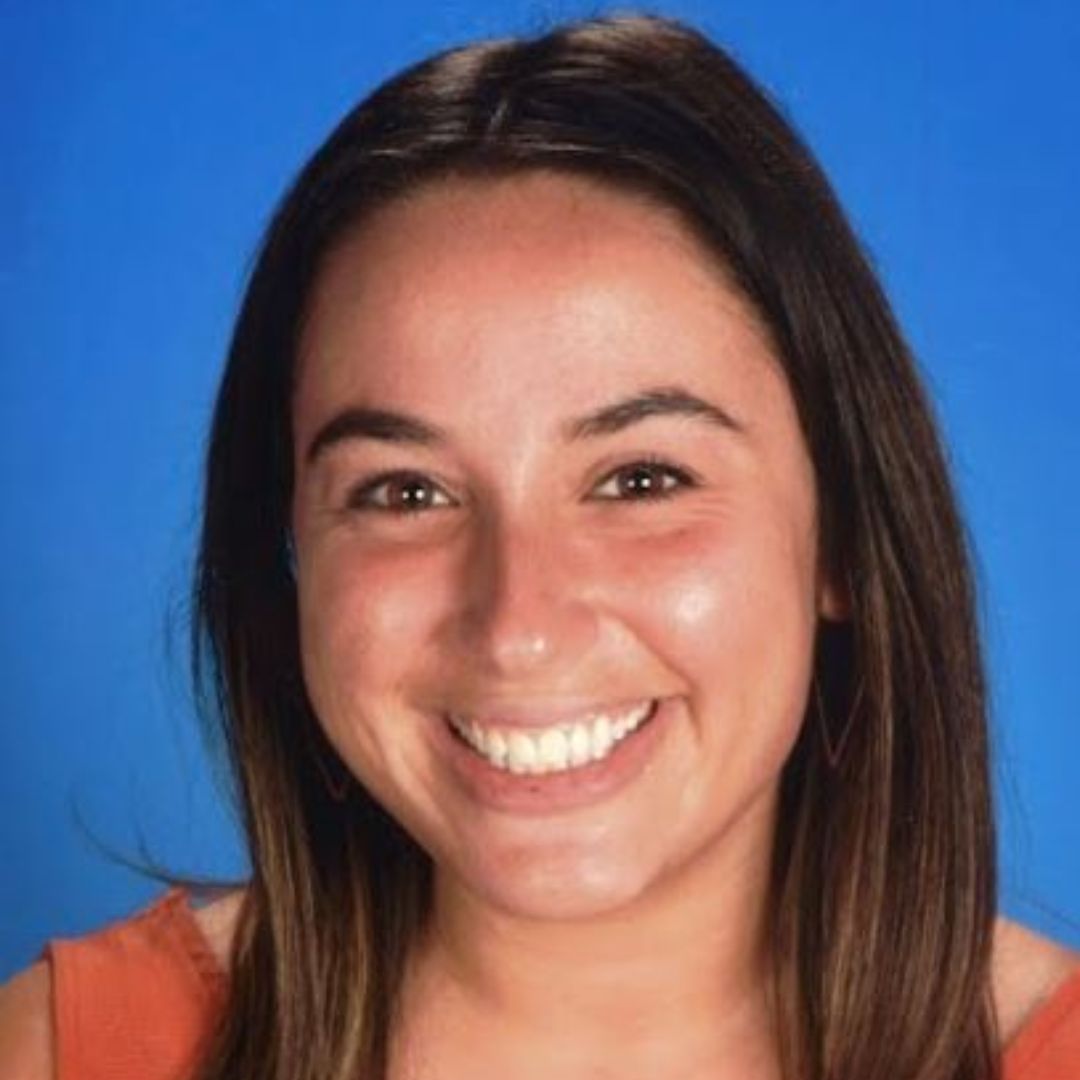
Kimberly
Masters of Literacy, Bachelors of Arts degree in Elementary Education & New York State Certified Teacher

Michelle C.
M.S. Special Education

Anastasiya K.
MA, NYS Certified (birth-grade 2) General and Special Education
FREE CONSULTATION!!!
Call & Text: (917) 426-8880
Email: longisland@brooklynletters.com
(we respond to email right away!)