LONG ISLAND SPELLING ENCODING TUTORING
LONG ISLAND SPELLING ENCODING TUTORING

As Featured In:








Spelling Encoding Tutors We Work With Come to Your Long Island Home! | Best In-Person 1:1 Spelling Encoding Tutoring | Free Consultation and Meet & Greets With the professionals We Work With
Spelling Encoding Tutors We Work With Come to Your Long Island Home! | Best In-Person 1:1 Spelling Encoding Tutoring | Free Consultation and Meet & Greets With the professionals We Work With
Spelling encoding tutoring helps children learn how sounds, language patterns, and word structures connect to written spelling. Strong encoding skills support writing fluency, reading development, vocabulary growth, and long-term academic success.
WE TRAVEL TO THE FOLLOWING LONG ISLAND NEIGHBORHOODS:
The reading and writing tutors we work with travel throughout Nassau and Suffolk counties such as Baldwin, Bellmore, Bethpage, Brookville , Carle Place, Cedarhurst, East Meadow, East Williston, Elmont, Farmingdale , Floral Park, Franklin Square, Freeport, Garden City, Garden City Park, Glen Cove, Glen Head, Great Neck, Hempstead , Hewlett, Hicksville, Island Park , Inwood, Jericho, Lake Success, Lattingtown, Lawrence, Levittown, Long Beach, Lynbrook, Malverne, Manhasset, Manorhaven, Massapequa, Massapequa Park, Merrick, Mill River , Mineola, Muttontown, New Hyde Park, North Bellmore, North Hempstead , North Massapequa, North Merrick, Oceanside, Old Westbury, Oyster Bay, Plainview, Plandome, Port Washington, Rockville Centre, Roosevelt, Roslyn, Roslyn Heights , Sea Cliff, Seaford, Stewart Manor, Syosset, Uniondale, Valley Stream, Wantagh, West Hempstead, Westbury, Williston, Woodbury, and Woodmere. In Suffolk County, the towns include Amagansett, Babylon, Bayport, Blue Point, Bohemia, Brookhaven, Centereach, Deer Park, East Hampton, East Islip, Eastport, Farmingville, Greenport, Hauppauge, Huntington, Islip, Mattituck, Medford, Montauk, Nesconset, Northport, Oakdale, Patchogue, Port Jefferson, Port Jefferson Station, Riverhead, Sayville, Selden, Setauket, Shelter Island, Smithtown, South Setauket, Southampton, Southold, St. James, Westhampton Beach, West Islip, and West Sayville.
We also travel to Hamptons (summer speech language therapy)
Service Snapshot
Service: Spelling Encoding Tutoring
Location: Long Island
Delivery: In-home and remote
Student Type: Preschool through middle school
Focus Areas: Spelling, phonological awareness, written language, literacy development
Session Structure: Individualized 1:1 instruction
Goal: Stronger spelling, writing, and language-based academic skills
Literacy Specialists
We provide in-home literacy support throughout Long Island while also offering remote options when appropriate. Literacy specialists support spelling encoding, decoding, reading comprehension, writing development, and language-based learning skills through structured instruction tailored to each child’s needs. Families often seek support when children show early signs of difficulty, when writing demands increase, or when students are ready for more advanced literacy enrichment. For families pursuing homeschooling for K–5 students, we offer personalized in-home or remote instruction tailored to each child’s learning style and needs.
Families outside Long Island can also explore our spelling and encoding tutoring services throughout the NYC metro area to learn how structured literacy instruction helps students build stronger spelling and writing skills.
What Is Spelling Encoding Tutoring?
Spelling encoding instruction teaches students how spoken language connects to written language.
Encoding involves hearing sounds, identifying language patterns, and applying spelling rules while writing words. Strong encoding skills often support writing accuracy, reading fluency, vocabulary development, and classroom confidence.
When Families Seek This Support
Many students begin spelling support when written language demands increase.
Families often seek spelling encoding tutoring when:
- Spelling remains inconsistent
- Writing assignments become more challenging
- Children are not progressing as expected
- Teachers raise literacy concerns
- Families want to prevent future academic gaps
- Students are ready for enrichment-focused literacy instruction
Proactive support helps prevent gaps from developing. Many Long Island families begin support early rather than waiting.
How It Works
Structured spelling instruction builds written language skills through explicit practice.
Sessions may focus on:
- Sound-symbol relationships
- Phonological awareness
- Word patterns
- Morphology and vocabulary
- Dictation and writing exercises
- Reading-writing integration
Instruction is delivered in Long Island homes whenever possible, allowing specialists to work directly with families in familiar learning environments.
When Children Benefit From Spelling Encoding Tutoring
Children benefit from spelling support at many different stages of literacy development.
Support may be appropriate for:
Early Concern Families
Children showing early signs of literacy difficulty.
Proactive Families
Parents seeking to maintain strong academic progress and prevent future challenges.
Advanced Learners
Students ready for more advanced writing and language instruction.
This satisfies the required three-audience intent stack.
Why Long Island Families Choose This Support
In-home literacy instruction allows learning to be closely aligned with family goals and school expectations.
Families throughout Long Island—including Muttontown, Old Westbury, Laurel Hollow, Brookville, Roslyn Estates, and surrounding communities—often seek individualized literacy support that can adapt to their child’s developmental stage and academic goals. Long Island families frequently pursue support proactively to maintain momentum and strengthen long-term academic outcomes.
Literacy Specialists
We travel to you and we also offer remote services. We travel to you and we also offer remote services. Literacy specialists we work with work on decoding, encoding (spelling), reading comprehension, and writing skills. For families pursuing homeschooling for K–5 students, we offer personalized in-home or remote instruction tailored to each child’s learning style and needs.
Common Core English Language Arts (ELA) Standards & Worksheets
Common Core English Language Arts (ELA) Standards & Worksheets
Training/Certifications



Training/Certifications
TESTIMONIALS






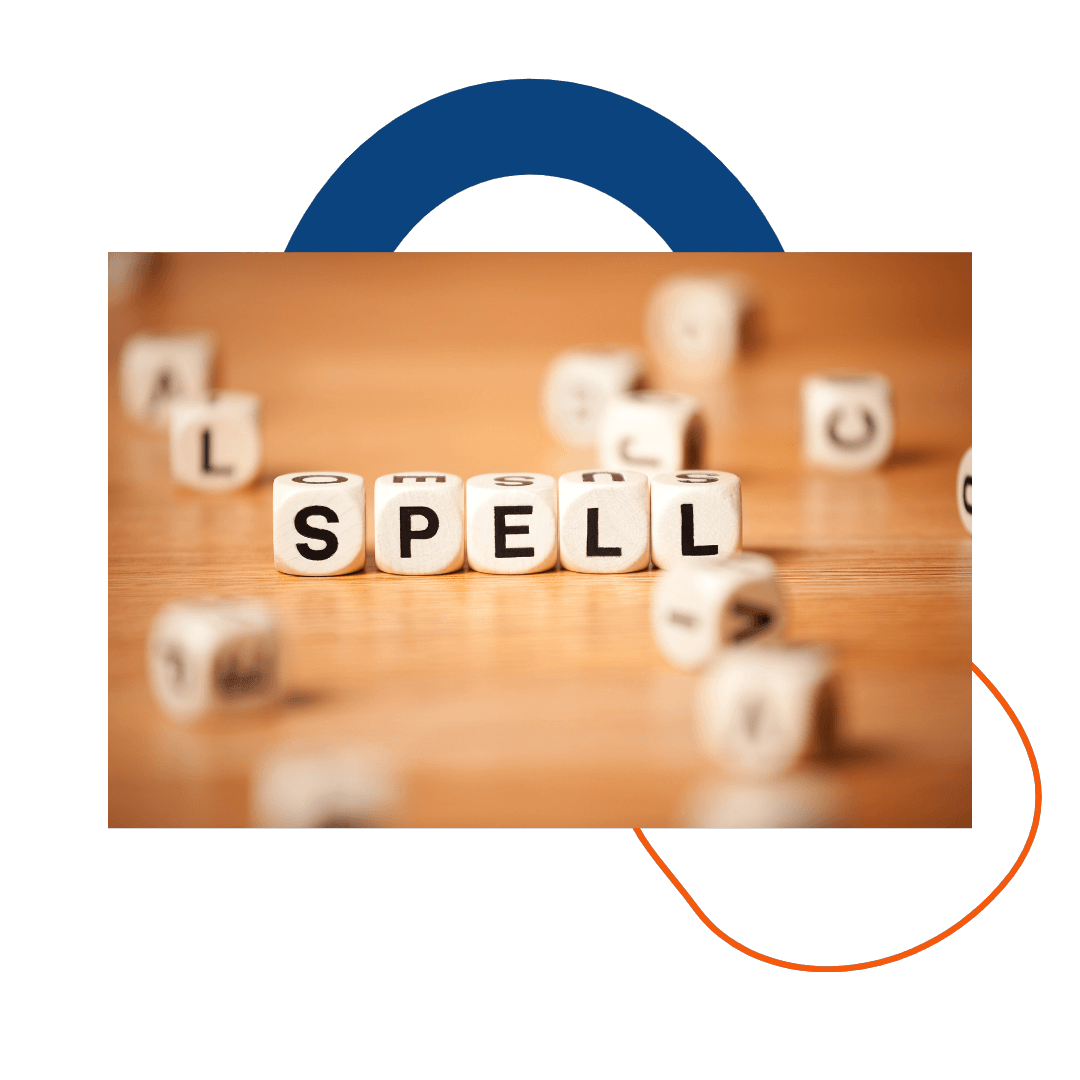
Even in the age of spellcheck and autocorrect, spelling remains a foundational part of literacy and communication—especially for young learners throughout the Long Island area. At Long Island Letters, families are matched with independent providers who support neurodivergent learners, including those with dyslexia, ADHD, autism, learning differences, and learning disabilities, who may struggle with spelling as part of broader literacy challenges. Because spelling is closely tied to reading, comprehension, and writing, the educational specialists we work with use evidence-based, multisensory instruction to help children strengthen these interconnected skills with confidence and clarity.
When a student has difficulty with spelling, it leads to problems expressing thoughts and ideas through writing. Without intervention, it could persist and negatively affect the child’s academic performance. In later life, poor spelling skills could interfere with one’s ability to communicate effectively both in his or her personal life and career. Dyslexic individuals often have trouble spelling, even with common words. Read this article to learn more about dyslexia, recognize the signs, impact, support, and accommodations, how to identify the indicators, and get a diagnosis, post-diagnosis steps, approaches, assistance, how to boost self-worth, and many more!
Learn the relationship between early spelling and decoding. Discover why spelling evaluation is important and how it can help you improve your writing.
Importance of Spelling Skills
For toddlers and young children, communication begins with gestures, body language, and vocalizations. Over time, this progresses to verbal communication as children learn to get a better understanding of language.
As children develop literacy skills, they make connections between verbal and written expression. They learn fundamental skills for effective writing, like identifying letters by sight and associating written patterns with sounds. These skills are explicitly taught and need consistent formal instruction.
According to research, spelling is crucial in developing and improving one’s reading ability. Good spelling skills help a learner master the alphabetic system as it applies to reading. Not to mention, the ability to see the connection between words of the same origin and understand word relationships is essential in comprehension. Along with strong vocabulary knowledge, a child equipped with an understanding of letters and word patterns can tackle and comprehend more complex texts.
Common Spelling Mistakes and Difficulties
Spelling can be a struggle for many students, particularly for those with learning disabilities or communication disorders. To ensure that a child becomes a competent speller, teachers and tutors must first identify the student’s specific area of struggle.
Some of the most common spelling difficulties are:
- Trouble remembering letters in a word one can read easily – Instead of actually reading the word, a student may be “slighting” some letters and relying on the initial letter and context.
- Struggles to figure out possible spellings of words one can say – A child may have difficulties recognizing separate phonemes or may not have knowledge of letter-sound correspondences.
- Guessing unfamiliar words based on context clues and reading some letters.
- Representing a few sounds correctly when writing but skips other sounds or adds extra letters unrelated to sounds in the word.
These difficulties typically manifest in spelling mistakes, such as the following:
- Using the wrong consonant or vowel (for example, kap instead of cap or boll instead of ball)
- Leaving out consonants or vowels (tiking instead of ticking and grat instead of great)
- Dropping one consonant when it should be doubled (barel instead of barrel)
- Struggling to remember when an “e” should be dropped (hikeing instead of hiking) or kept as a silent letter (hik instead of hike)
- Reversing the order of letters (mial instead of mail)
- Writing -ys in plural words instead of -ies (berrys instead of berries)
- Spelling words phonetically instead of using a suffix (attenshin instead of attention)
- Interchanging the use of s and c (absense instead of absence or cleance instead of cleanse)
- Forgetting basic spelling rules such as “i before e except after c” (decieve instead of deceive)
Spelling Worksheets
Spelling Skills
(Here is a list of all the spelling skills organized by k-12 grades!)
How to Improve Spelling Skills
A child begins to master the spelling of certain words when he has committed to memory the connection between its letters and phonemes. Phonemes are the distinct sounds we hear when a word is spoken.
In the English language, memorization is key because of the irregularities in English spelling. Such irregularities can be particularly tricky for young learners, even more so for children with learning disabilities.
Some strategies that parents or teachers can use to help a student remember irregular or longer words are:
- Allow the child to pronounce each syllable in a word to let them hear more of the sounds.
- Take note of unexpected letters and help the child store it in his or her memory by singling out and discussing the letter.
- Point out letter patterns in words to help the student spot irregularities and improve memory.
When it comes to improving a child’s spelling skills, research-based strategies must be implemented. These include:
- Teaching phonemic awareness to help students understand letter-sound correspondence as well as the parts of a word
- The whole-word approach or memorizing the spelling of a word without breaking it down into individual parts
- Teaching morphological awareness to help students identify chunks in words, word families, and word parts
- Explicitly teaching spelling rules (long and short vowels, double consonants, silent letters, etc.)
- Using a multimodal or multisensory approach in spelling instruction.
Importance of Symbol Imagery in Reading and Spelling
Sensory-cognitive skills such as phonemic awareness and symbol imagery are key in developing a child’s reading and spelling skills. Phonemic awareness refers to one’s ability to process sounds in a word, which helps a child read and spell by sounding out. However, the English language is not always phonetic, which is why many children have difficulties recognizing sight words and words that are not spelled according to their letter sounds. That is where symbol imagery comes in.
Symbol imagery involves both phonological and orthographic processing or the visual patterns of words. It refers to an individual’s ability to visualize letters and identify word patterns with their mind’s eye, allowing them to instantly recognize sight words because they have developed an extensive knowledge of them. This is crucial as reading fluency relies primarily on mastery of sight words and contextual information.
Students with strong symbol imagery show no difficulties even when encountering new or unfamiliar words, can recognize letters or common words quickly, and can self-correct their errors. At Long Island Letters, symbol imagery is one of the functions that we want to help strengthen in your child in order for them to become fluent readers and skilled spellers.
Multimodal Spelling Tutoring
Many schools teach spelling with a bias toward visual modalities. A fun, systematic, and multisensory approach is best for all learners to learn spelling rules and patterns of English words. This means incorporating auditory, visual, and kinesthetic modalities should be used in helping students remember and learn how to spell.
An example of the multisensory approach to spelling would be the Trace, Copy, and Recall method. Students analyze words and group them accordingly, e.g., regular, irregular, and rules, e.g., the Rabbit Rule or the Dropping Rule. Reading practice is also encouraged as a part of spelling tutoring; it helps students develop the mental formation of sight words.
The tutors we work with use multisensory approaches that include building phonemic awareness; strengthening sound-symbol associations; the seven types of syllables; roots, prefixes, and suffixes of words; and grammar, syntax, and vocabulary instruction.
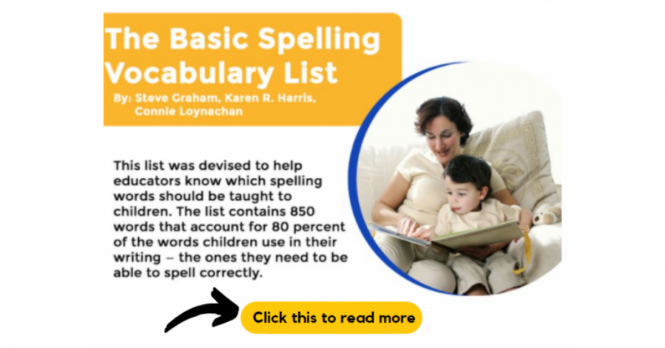
THE BASIC SPELLING VOCABULARY LIST
“The list contains 850 words that account for 80 percent of the words children use in their writing — the ones they need to be able to spell correctly.
Mastering this relatively small corpus of words yields a high rate of return. For example, the most common 1,000 words are used 13 times more frequently than the next most common 1,000 words. It also provides teachers flexibility in planning spelling instruction, providing an opportunity to give children the “basics” while supplementing with other spelling words germane to classroom activities.” –Reading Rockets
Frequently Asked Questions
What is spelling encoding?
Spelling encoding is the process of translating spoken language into written language.
When should a child begin spelling tutoring?
Many families begin when spelling accuracy lags behind reading ability or when writing demands increase.
Is spelling encoding tutoring only for struggling students?
No. Some students receive support to strengthen foundations, while others use it for enrichment and advanced literacy development.
Do you offer in-home spelling tutoring on Long Island?
Yes. We provide in-home spelling encoding tutoring across Long Island, with remote options available when appropriate.
Can spelling instruction support writing development?
Strong encoding skills often contribute to clearer, more accurate, and more confident writing.
MEET LONG ISLAND LETTERS LITERACY SPECIALISTS WE WORK WITH WHO TRAVEL TO YOUR HOME

Derek B.
MPS, PD, NYS Certified Pre-K-6th Grade,
NYS Certified Childhood Education
And Students With Disabilities
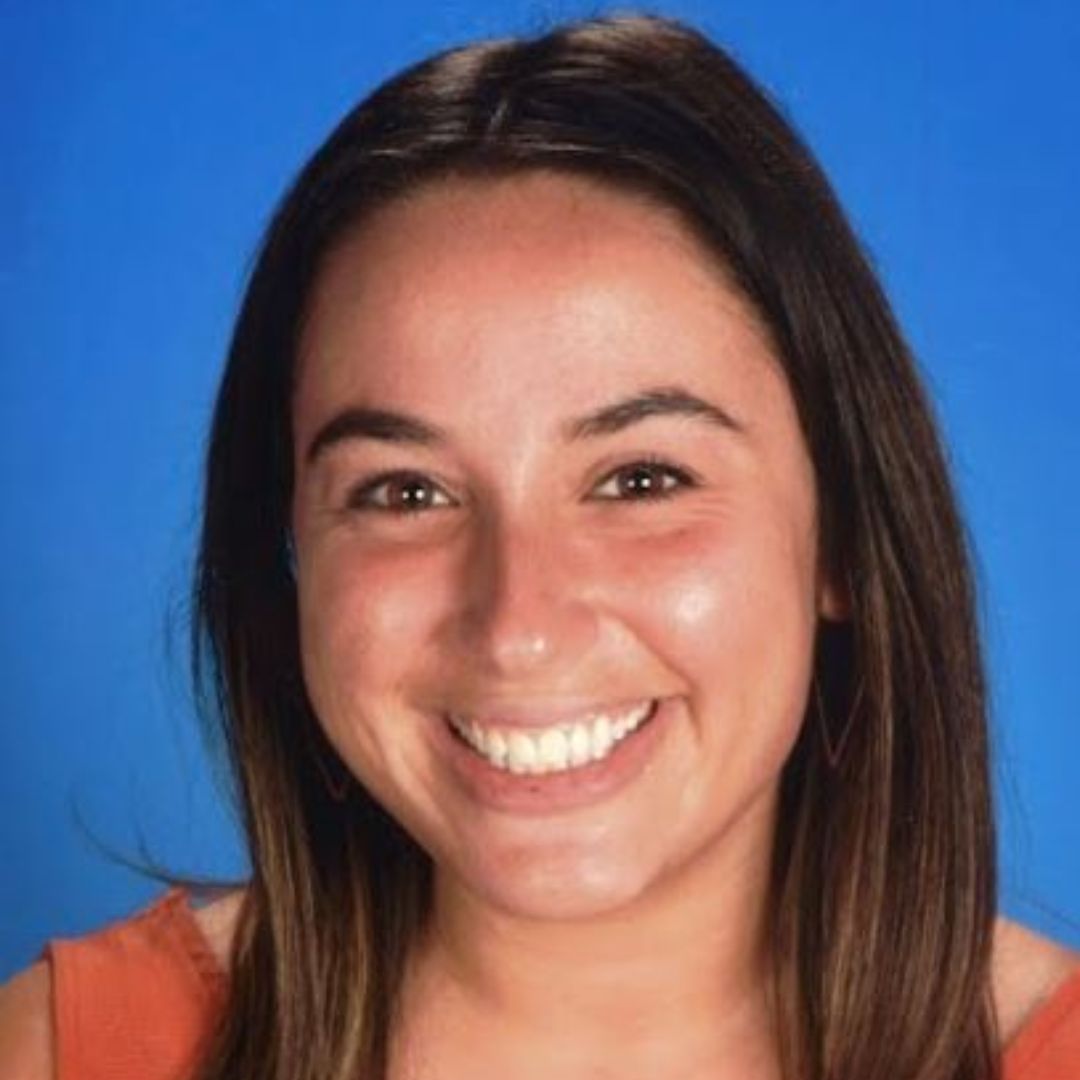
Kimberly
Masters of Literacy,
Bachelors of Arts degree in Elementary Education
And New York State certified teacher
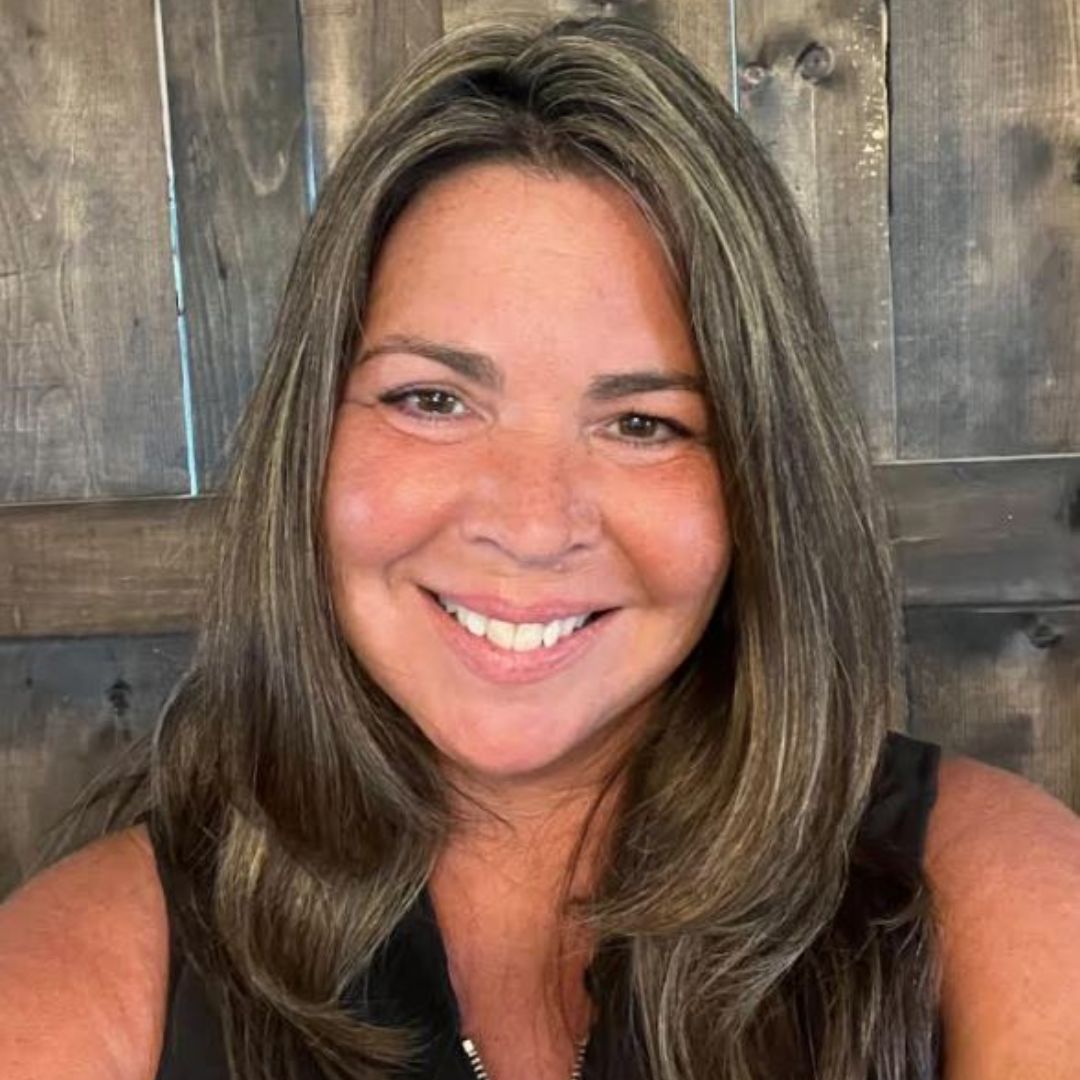
Melissa M.
NYS Certified Reading
And Elementary Education,
Wilson Dyslexia Therapist Certificate Level 1 and 2

Danielle
Master’s Degree in Childhood Education (Birth-Grade 6),
Students with Disabilities (Birth-Grades 6),
And Health Education (Grades K-12)

Michelle C.
M.S. Special Education

Michelle S.
NYS Certified Early Childhood
And Special Education Teacher,
M.S Ed

Sohayla
M.S. Elementary
and Special Education
FREE CONSULTATION!!!
Call & Text: (917) 426-8880
Email: longisland@brooklynletters.com
(we respond to email right away!)