Yelp (also view our 35+ filtered reviews)
LONG ISLAND WRITING TUTORING

LONG ISLAND WRITING TUTORING
As Featured In:








Writing Tutors We Work With Come to Your Long Island, Home! | Top In-Person 1:1 Writing Tutoring | Free Consultation and Meet & Greets With the Professionals We Work With.
Writing Tutors We Work With Come to Your Long Island, Home! | Top In-Person 1:1 Writing Tutoring | Free Consultation and Meet & Greets With the Professionals We Work With.
Long Island writing tutoring helps students strengthen written expression, organization, reading comprehension, and academic communication skills.
We provide in-home writing tutoring across Long Island, with remote options available when appropriate.
Many Long Island families begin support early rather than waiting for academic concerns to become larger challenges. Structured writing instruction can help students build confidence, strengthen literacy skills, and maintain academic progress over time.
WE TRAVEL TO THE FOLLOWING LONG ISLAND NEIGHBORHOODS:
The reading and writing tutors we work with travel throughout Nassau and Suffolk counties such as Baldwin, Bellmore, Bethpage, Brookville , Carle Place, Cedarhurst, East Meadow, East Williston, Elmont, Farmingdale , Floral Park, Franklin Square, Freeport, Garden City, Garden City Park, Glen Cove, Glen Head, Great Neck, Hempstead , Hewlett, Hicksville, Island Park , Inwood, Jericho, Lake Success, Lattingtown, Lawrence, Levittown, Long Beach, Lynbrook, Malverne, Manhasset, Manorhaven, Massapequa, Massapequa Park, Merrick, Mill River , Mineola, Muttontown, New Hyde Park, North Bellmore, North Hempstead , North Massapequa, North Merrick, Oceanside, Old Westbury, Oyster Bay, Plainview, Plandome, Port Washington, Rockville Centre, Roosevelt, Roslyn, Roslyn Heights , Sea Cliff, Seaford, Stewart Manor, Syosset, Uniondale, Valley Stream, Wantagh, West Hempstead, Westbury, Williston, Woodbury, and Woodmere. In Suffolk County, the towns include Amagansett, Babylon, Bayport, Blue Point, Bohemia, Brookhaven, Centereach, Deer Park, East Hampton, East Islip, Eastport, Farmingville, Greenport, Hauppauge, Huntington, Islip, Mattituck, Medford, Montauk, Nesconset, Northport, Oakdale, Patchogue, Port Jefferson, Port Jefferson Station, Riverhead, Sayville, Selden, Setauket, Shelter Island, Smithtown, South Setauket, Southampton, Southold, St. James, Westhampton Beach, West Islip, and West Sayville.
We also travel to Hamptons (summer speech language therapy)
Service Snapshot
Service: Writing Tutoring
Location: Long Island
Delivery: In-home and remote
Student Type: Elementary and middle school students
Focus Areas:
Writing development
Reading comprehension
Written expression
Literacy growth
Academic communication
Session Structure:
Personalized 1:1 instruction aligned to student goals
Goal:
Build stronger writing skills while supporting long-term academic success
Literacy Specialists
We travel to you and we also offer remote services. Literacy specialists we work with work on decoding, encoding (spelling), reading comprehension, and writing skills. For families pursuing homeschooling for K–5 students, we offer personalized in-home or remote instruction tailored to each child’s learning style and needs.
Common Core English Language Arts (ELA) Standards & Worksheets
What Long Island Writing Tutoring Is
Long Island writing tutoring provides structured instruction that helps students develop writing, literacy, and communication skills.
Writing tutoring may focus on:
- sentence construction
- paragraph development
- essay writing
- reading comprehension
- organization of ideas
- vocabulary development
- academic writing skills
For younger students, instruction often emphasizes foundational literacy development. For older students, support may focus on increasingly complex writing assignments and school expectations.
When Families Seek This Support
Families often seek writing tutoring when writing demands begin to exceed a student’s current skill level.
Common situations include:
- difficulty organizing ideas in writing
- frustration during homework assignments
- teacher concerns about written work
- preparation for increased academic expectations
- support for reading and writing development
- enrichment for advanced learners
Many Long Island families seek support proactively to prevent gaps from developing rather than waiting for academic performance to decline.
How Writing Tutoring Works
Brooklyn Letters Writing tutoring sessions are individualized based on a student’s age, skill level, and academic goals.
Instruction may include:
- guided writing practice
- reading and writing integration
- feedback on organization and structure
- vocabulary development
- revision strategies
- school-aligned assignments
Because services are delivered in Long Island homes, tutors can work closely with families to create consistent academic routines and support ongoing progress.
When Children Benefit From Writing Tutoring
Students benefit from writing tutoring for both support and enrichment purposes.
Writing tutoring may be appropriate for students who:
- are showing early signs of difficulty
- are not progressing as expected
- need stronger literacy foundations
- want additional academic challenge
- are ready for more advanced instruction
- need support with increasingly complex writing tasks
Proactive support helps prevent gaps from developing and allows students to strengthen skills before academic demands increase.
In-Home Writing Tutoring vs Online Writing Tutoring
In-home writing tutoring provides face-to-face instruction within a student’s everyday learning environment.
Many Long Island families prefer in-home instruction because it:
- reduces scheduling complexity
- allows direct family collaboration
- creates a consistent learning environment
- supports stronger engagement
Remote tutoring can also be effective when flexibility or scheduling needs make virtual instruction more appropriate.
Why Long Island Families Choose Writing Tutoring
Long Island families often seek writing tutoring to maintain strong academic progress and prepare for future academic demands.
Families appreciate:
- individualized instruction
- in-home convenience
- proactive academic support
- enrichment opportunities
- literacy-focused skill development
Students attending competitive public and private schools throughout Long Island often benefit from additional writing support as academic expectations increase.
Include affluent geo references naturally:
Families in communities such as Old Westbury, Muttontown, Laurel Hollow, Brookville, Roslyn Estates, and Sands Point frequently seek individualized academic support that helps students maintain momentum as academic expectations increase.
We also provide writing tutoring in NYC for students who need individualized support with writing assignments, essays, grammar, and written expression.
Common Core English Language Arts (ELA) Standards & Worksheets
Training/Certifications




Training/Certifications







Writing is a fundamental part of literacy and communication, but for many children across the Long Island area—developing writing skills requires more than classroom instruction. This is especially true for neurodivergent learners, including those with dyslexia, ADHD, autism, and other learning differences or learning disabilities. These students often struggle with written expression due to difficulties with organization, spelling, grammar, or working memory. At Long Island Letters, families are matched with independent providers offering specialized writing support utilizing multisensory, research-based methods that help students enhance their skills and gain confidence as effective communicators. For families pursuing homeschooling for K–5 students, we offer personalized in-home or remote instruction tailored to each child’s learning style and needs.
For students struggling at the word level with encoding (spelling), we highly recommend an Orton Gillingham approach with an emphasis on spelling tutoring. For students writing at the sentence level, writing tutoring can introduce various strategies and techniques to guide students at the written level. For students struggling at the oral level of literacy, we have speech language therapists/pathologists who help students with their oral and written forms of literacy.
Some students need help with vocabulary acquisition. For students with executive functioning (EF) difficulties, e.g. planning, organizing ideas etc., we help these students with EF at the appropriate modality/modalities, e.g. written, oral, both.
To further enhance writing skills, The Writing Pathway provides high-quality instruction for all students, utilizing a research-based approach combined with AI tools. These tools help educators save time by generating writing practice tailored to any curriculum or content area for grades 3-12.

Writing Intervention Strategies
Writing is a multidimensional skill that requires mastery of different processes. From elementary to high school, students must learn spelling, handwriting, and also planning, organizing, and revising ideas. Children with learning disabilities often have problems with phonemic processing (representing and manipulating sounds), alphabetic principles (recognizing sounds represented by letters), and letter-sound connections. This leads to difficulties in the transcription aspect of writing, and consequently, to their inability to communicate thoughts and ideas.
Effective writing tutoring and intervention must address all aspects of the writing process using a particular strategy. Self-regulated strategy development (SRSD) is an instructional approach that adds self-regulation elements when teaching writing beyond the word level. It is designed to help your child learn, use, and adopt techniques and strategies used by skilled writers. Through SRSD, students track, evaluate, and revise their writing to encourage independent learning and self-monitoring.
Guidance and scaffolded instruction are crucial to SRSD as teachers or writing tutors must explicitly show students how to create meaning when writing. There are six stages of instructional sequence that writing tutors and teachers can follow to help learners become more independent and adept at using SRSD. These stages are flexible, and the order is often rearranged, combined, modified, or repeated depending on the needs of the student and teacher (Graham & Harris, 2005).
- Develop background knowledge – The instructor explains and teaches skills a learner will need to understand, learn, and apply a particular strategy.
- Discuss it – The instructor evaluates the learner’s current writing performance before introducing a new strategy. He or she will then explain and discuss how it can help the learner accomplish writing tasks and become a more proficient writer.
- Model it – Through self-talk, think-aloud, and self-instruction, the instructor models the strategy to the learner. They will then discuss how to tailor it to meet the student’s needs.
- Memorize it – The learner memorizes the steps using mnemonics (if applicable) and self-statements.
- Support it – The student practices the strategy as often and in as many ways as possible. At the same time, the instructor supports, gives feedback, prompts, and encourages the learner. The levels of support and scaffolding decrease gradually over time to strengthen the learner’s independence and self-regulation skills.
- Independent performance – The learner practices and adapts the writing strategy independently.

Techniques for Writing Instruction
At Long Island Letters, the writing tutors we work with focus on specialized and individualized intervention to improve the student’s written skills and make the writing process more fun and engaging. The scope of instruction offered addresses the six traits of writing, which are key ingredients in proficient writing The six traits framework also allows a writing tutor to assess whether a learner’s skills are appropriate for their grade level, identify strengths, and target weaknesses. These traits are:
- Ideas / Content: This refers to the main idea of a piece of writing. Learners choose a single topic and elaborate on it, using relevant information or supporting ideas to make the message clearer.
- Organization: This refers to the planning, drafting, and revising of thoughts and ideas. Students learn to reveal and write ideas logically (with a beginning, middle, and end).
- Word Choice: This refers to the effectiveness of each word that a student uses in a piece of writing. A strong vocabulary is important so the learner can use rich and colorful language as well as use the right words to convey a specific meaning.
- Sentence Fluency: Readability is key in effective writing, which means sentences must flow smoothly, are easy to read, and have complete thoughts and variety.
- Grammar or Conventions: This trait refers to the learner’s ability to follow spelling rules, punctuation, capitalization, and proper grammar (such as conjugating verbs and knowing when to use those cute little adverbs).
- Voice: Learners need to be able to express themselves through writing. This is key in creating their own unique styles that showcase their individuality.
Long Island Letters facilitates teaching strategies to facilitate writing development and address crucial writing skills, including:
- Vocabulary (nouns, action words, descriptors)
- Grammar (sentence construction, verb tense, and fragments, among others)
- Types of sentences (statements, questions)
- Increasing linguistic complexity (compound to complex sentences)
- Types of paragraphs (reason, persuasion, comparison, and contrasting)
- Improving organization/cohesion of ideas (map out setting, identifying problems, goals, episodes, connecting ideas, visual and verbal organizers, and more).
These skills are targeted independently for remediation, and they are also implemented in the student’s curriculum.
Consideration is given to the student’s interests, strengths, challenges, and learning style when developing activities to enhance written language skills. These activities may include pictures (including drawing), books (including picture books), personal experiences, art and music, journals, book reports, and editing (including correcting the tutor’s mistakes), to name a few.
(Related: Learn about Long Island Letters’ Online Literacy Assessment Evaluation).
Key Facts About Long Island Writing Tutoring
- Writing tutoring supports both literacy development and academic communication.
- Many Long Island families begin support before significant academic concerns emerge.
- In-home tutoring allows instruction to occur in a familiar learning environment.
- Writing skills influence performance across multiple academic subjects.
- Structured writing instruction can support long-term academic growth.
Frequently Asked Questions
What ages benefit from writing tutoring?
Writing tutoring can support students from early elementary school through middle school and beyond.
Does writing tutoring focus only on essays?
No. Writing tutoring may include sentence structure, paragraph development, reading comprehension, organization, vocabulary, and written communication.
Is tutoring available in-home?
Yes. We provide in-home writing tutoring across Long Island, with remote options available when appropriate.
When should families consider writing tutoring?
Families often begin support when writing assignments become more challenging, when teachers raise concerns, or when they want to strengthen skills proactively.
Can advanced students benefit from writing tutoring?
Yes. Many students use writing tutoring for enrichment, advanced writing development, and preparation for increasingly demanding academic environments.

MEET LONG ISLAND LETTERS LITERACY SPECIALISTS WE WORK WITH WHO TRAVEL TO YOUR HOME

Danielle
Master’s Degree in Childhood Education (Birth-Grade 6), Students with Disabilities (Birth-Grades 6), and Health Education (Grades K-12)
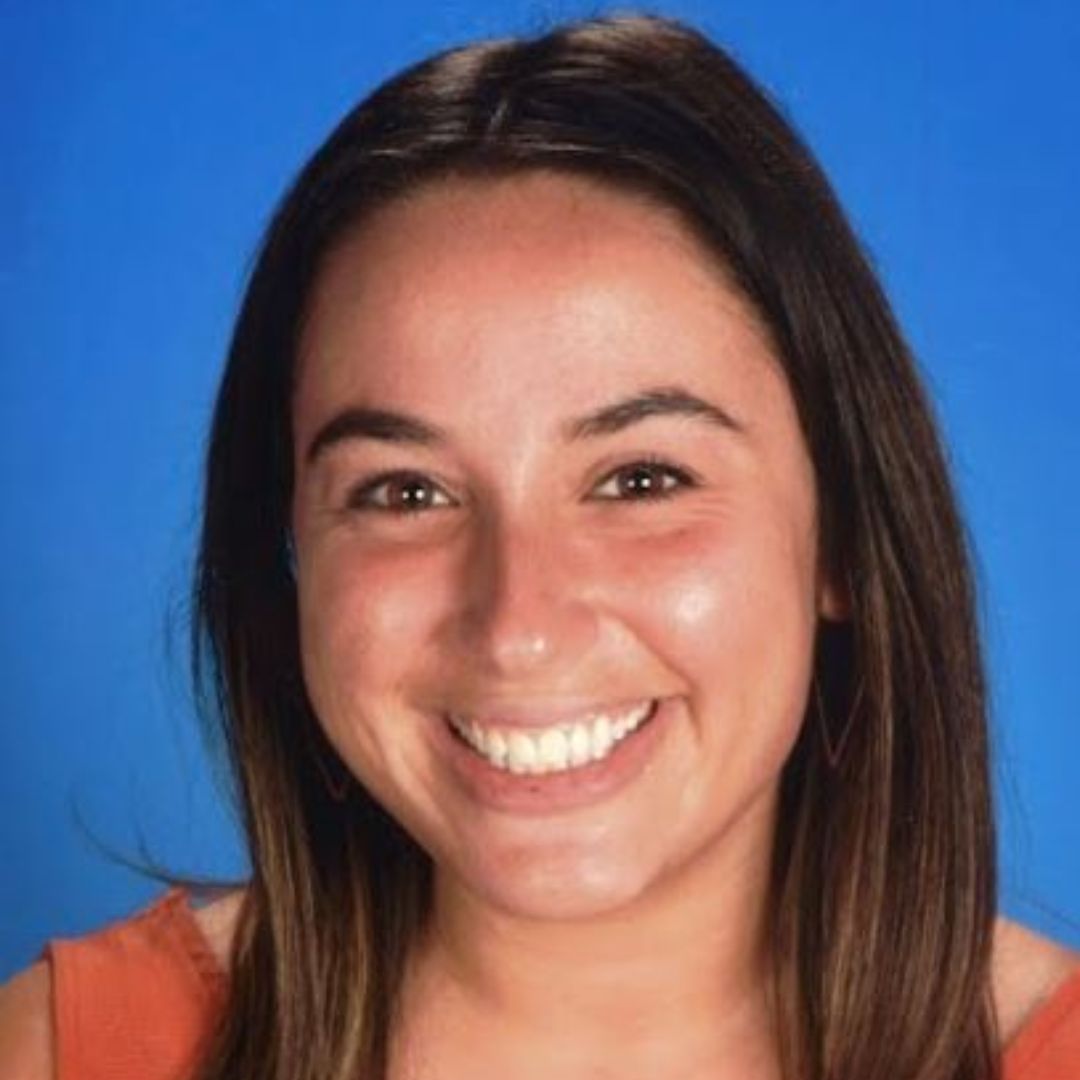
Kimberly
Masters of Literacy, Bachelors of Arts degree in Elementary Education & New York State Certified Teacher

Sohayla
M.S. Elementary and Special Education

Giana Marie S.
NYS Certified in Childhood Education and Special Education (1-6)

Patti
BA and MS in Elementary Education
How to Get a Dyslexia Diagnosis for Your Child
FREE CONSULTATION!!!
Call: (917) 426-8880,
Text: (917) 426-8880
Email: longisland@brooklynletters.com
(we respond to email right away!)